Showing posts with label ফ্যাসিবাদ. Show all posts

The Indian Politics and the left dilemma.

Posted by স্বাভিমান Labels: , , ,


Arup Baisy


(C)Image
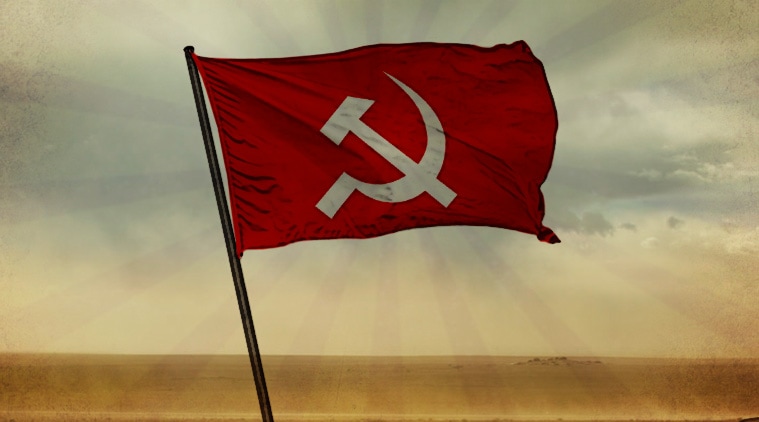
The left forces in Indian political landscape have been marginalized and the left discourse which misses the imagination of the struggling classes is in a state of Brownian motion. The genesis of this confused state of left politics is two-pronged, one is obtained from the left legacy and the other is the bewilderment caused due to spatio-temporal changes during neo-liberalism. Both of these characteristics are intertwined in the staticity of mindset that constructs a formulaic version of Marxism.
While delineating the specificity of Indian society, the caste is categorized either as something sui generis or anathema to class struggle. The class-caste dualism which is in-built within such thought process obscures the changing dynamics of space-time both due to change in capitalist globalization and the caste-class struggle. Anand Teltumbe rightly asserted in his book ‘Republic of caste’, “while caste movements, largely co-opted by the ruling class, do not admit to the need for introspection, the class (left) movements finds itself isolated and threatened with decimation.” (Republic of caste : Anand Teltumbde : 2018 : 91-92)
The motion of capital as a whole is represented in the process of determination of socially necessary labour time in various space-time continuums. The relation between time and space delineates the social relations syntagmatic to both production and labour process. For this reason, the category of time is at the heart of (Marx’s) critique of the political economy. But the different approaches to time coexist within Marx’s reasoning. “The mechanical time of production, the chemical time of circulation and the organic time of reproduction are thus coiled and slotted inside one another, like circles within circles, determining the enigmatic patterns of historical time, which is the time of politics.” (Marx, Capital And The Madness of Economic Reason :  David Harvey : 2019 : 142).
As the capitalist social relation is emerged from within the pre-capitalist or feudal relation of production, the flow of time in feudal relations can be categorized in a particular manner. It is not a complete black-hole, but the flow of time in feudal relation of production is confined by spatial dimension and in that sense, the forms of spatiotemporally is not dynamic as capitalism. It represents a certain form of concrete labour with a use-value which is in constant pressure for transformation to capitalist exchange value and to abstract labour with the annihilation of its space with time. In that sense, the labour process in a pre-capitalist social relation of production is a closed system as the value flows from one form of use-value to another. The commodity production fetishizes the human relation with exchange value and it sets in the dynamics of the flow of value beyond the confinement of space and as such, globalization is inherent in capitalism. Furthermore, the flow of value annihilates the space of pre-capitalist relation to establish its hegemony over the space with time.
When B.R, Ambedkar says, “a caste is an enclosed class”, caste can be interpreted as feudal class. The class is identified not as an isolated category but as a group of people engaged in a social relation both in the production and labour process. Feudal class is determined both as juridical and social category and as such it appears to be static. The Indian caste, in that sense, is a form of class. But Indian left identified the caste system as a super-structural problem and they thought the class mobilisation could by itself adequately address the caste cleavages. On the other hand, the leaders of the caste-based mobilisation considered it as an unchanging category for spatial mobilization to challenge the system and for political power. The caste system has been the source of both identities and hostilities, both horizontal alliances and vertical exploitation and oppression. The caste hierarchy on the basis of social status is the source of oppression and the assertion of caste identity can also become the basis for the struggle against that very oppression. Rajni Kothari defined it as “both traditionaliser and moderniser and as purveyor of collective identity and annihilator of the same hierarchical order from which the collective identity is drawn. The point is that caste does resurface as a result of the democratic process but in its resurfacing it gets transformed”. (Rajni Kothari : Rise of the Dalits and the Renewed Debate on Caste : EPW Vol. 29. No. 26)
             This political dimension of assertion and transformation has not been viewed from the time dimension of labour. The change of democratic character of the state has been considered in a spatial fix of alignment and realignment of caste identities. The political formations on the basis of such caste assertion and horizontal alignment thereon could successfully thwart the aggressive social and ideological Hindutwa assertion in 1993. The politics of religious polarization received a setback due to the political challenge raised from the caste mobilisation and movements. The failure of the left movement to challenge the Hindutwa politics created a delusion in political understanding that the caste assertion and identity assertion within the framework of diversity alone can adequately challenge the Hindutwa politics. Ashis Nandy, in his analysis of the interaction of Hinduism and Hindutva, wrote perceptively in 1990 that, ‘Hinduism and Hindutva now stand face to face, not yet ready to confront each other, but aware that the confrontation will have to come someday’. (RSS, A view to the Inside : Penguin, Viking 2018 : 247). But at this moment after the resounding victory of political Hindutva, it seems, Hinduism gave way to Hindutva and conceded defeat without any confrontation or fight. 
The Indian left from their set back suddenly realised that it was a tactical mistake not to participate in the caste struggle. But they stopped short of visualizing the caste-class question within the movement of the space-time of Indian social spectrum; rather the formulaic version of Marxism relegated their newly found realisation into a class-caste binary and a tactical question. The consequence of such mechanical interpretation of the here and now finally decimated the left in front of the meteoric rise of the fascist Hindutwa movement with a new vigour. But this time, the particularism of caste and identity movement which carried the success story of 1993 with it has also turned out to be ineffective and redundant in front of the jingoist nationalism. What has changed drastically to Indian society that enables the Sangh Parivar to transcend the caste-community barrier to uphold the pan-Indian muscular ultra-nationalist project? One easy answer to the success story of popular acceptance of RSS project is that the RSS has established a pattern of accommodating regional religious and cultural traditions by claiming them as elements of larger Bharatiya culture. But this interpretation is loaded with too much of subjectivity.The fundamental reason of the rise of fascist movement lies with the change of social forces of production with concomitant change of relations of production from above. It is a sort of passive revolution of bourgeois order where the democracy is denied in the bourgeois sense of the term.
In India, the rapid disintegration of the old caste-community based society due to the coercive pressure of imperialist capital from above and the pressure from the human-labour uprooted from their village community life generated the passion within the society to redefine the age-old ideological framework befitting the constitutional form of secularism, the secularism which upholds diversity in a nostalgic sense but accommodates itself in an imperialist center-periphery relation of subjugation propped up with internal hierarchical order. The tension thus generated in the conflict between the old and new values can only be democratically remoulded by radically redefining this relation of subjugation.
          Why both the caste movement and the left movement failed to radically redefine this relation of subjugation? The relation of labour with capital is determined by the way capital extracts surplus value from the labour. Capital can expropriate absolute surplus value by extending the working hours and relative surplus value by increasing the productivity of labour through change of technology. But another labour practice by which capital can extract super-profit is the arm’s length production for labour arbitrage. The whole production process rests on subcontracting out the actual production to the low-wage areas like China’s Shenzhen, Bangladesh’s Textile factories or rural India where micro-finance has spread its net. This super-profit is invested in speculative finance to earn money. It’s a money market where super-rich earn more money by investing money. Money begets money, but does not create any value. After a prolong period of dirigisme in post-independent India, the neo-liberal development model which facilitated penetration of imperialist finance capital into the rural India since the nineteen eighties has changed the caste-contour. Depending on fertility and location of the land, the development of capitalist mode of production appeared in agriculture for differential rent, the external factor of rent also effects the space of uncultivated land. There exists intense difference of opinion within the left circle on Indian agricultural mode of production. However, the capitalist accumulation through dispossession which has become a dominant feature of neo-liberalism has dispossessed the millions from their land, from their old property relation and also from their status as secured organized work-force. The middle class leadership who played a progressive role in mobilizing the caste groups and identities for political rights and thus challenged the Hindutwa politics of centralisation of power in 1993, find it more beneficial to be co-opted in the reactionary politics of ultra-nationalism than to address the growing pressure of the new needs and desire of the proletarianised and pauperized masses within the caste group. The new dialectics of use-value - exchange value and concrete labour – abstract labour have influenced the changing space-time in such a way that the forces of homogenisation prevailed over the forces of particularism in the caste-class dynamics of Indian society. Both the caste leadership and the left leadership once again failed to grasp the emerging struggle of the oppressed and to redefine the concept of nationalism and secularism from a working class perspective.
The economism within the Indian mainstream left hinders them from assessing the situation from the dynamic movement of the space-time. The authors of “The Indian Economy in Transition” rightly commented, “Marxian theory is class/economy focused, but not class/economy specific. What, when, where and how we produce, distribute and consume are not simply economic matters. They are additionally constituted by processes related to power (authority-hierarchy), culture (meaning) and nature. No explanation or interpretation of the economy in this frame can materialize without referring to the effects of non-economic processes. In short, along with being a critique of class determinism, Marxism theory is a critique of economism as well.” (Chakraborty Anjan et el : 13).  Moreover, the concept of the left movement as a mass-movement to influence the policy of the state in favour of the toiling masses has been abandoned by completely reversing the concept to bring parliamentary maneuvering and institutional intervention as the determinant factor. This paved the way for the Hindutva forces to reconstruct the concept of nationalism and secularism in a most reactionary fashion to lead the forces of homogenisation against an imagined enemy. The objective strength of this new nationalism lies with the support of new class which owes its increasing wealth from privatisation and disinvestment, income from the rent and plunder of natural resources and commissions from the opening up of the Indian market to foreign oligarchs. A small section of this class has already emerged as national oligarchs intricately connected to global giants as compradors
The most reactionary reconstruction of national pride can somewhat be combated by reducing the migration from villages to towns and cities by revamping the agriculture through small family farms (Maoist agricultural reconstruction in China) which is, unlike industry, more efficient than big farms, and the food sovereignty, increasing demand for the consumer goods that need to be produced domestically. The electoral upsurge of BJP will accelerate the dismantling of the federal structure of the state by transcending the regional aspirations which needs to be combated with an alternative project for democratic reconstruction. A radical anti-imperialist and democratic programme for mass-movement with workers-peasants alliance at its core can rejuvenate the left politics in India, provided they rise up to the occasion to unite shedding all forms of left sectarianism to combat the emergent question of fascist onslaught.    
       
References:

(1)  Teltumbe Anand (2018): Republic of Caste: Navayana
(2)  David Harvey (2019): Marx, Capital And The Madness of Economic Reason: Profile Books.
(3)  Kothari Rajni (1994):  Rise of the Dalits and the Renewed Debate on Caste: EPW Vol. 29. No. 26 (P.1589-94)
(4)  Chakraborty Anjan, Dhar Anup, Dasgupta Byasdeb (2018): RSS, A view to the Inside: Penguin, Viking
(5)  Smith John (2016): Imperialism in the Twenty-First Century: Dev Publishers and Distributors.
(6)  Patnaik Utsa (2007): The Agrarian Question in Marx and his Successors (Volume I): LeftWord Books.


An open letter to Dr Hiren Gohain from a concerned citizen of Assam

Posted by স্বাভিমান Labels: , , ,

(C)Image
।। Arup Baisya।।

We feel proud that a towering personality like Dr Hiren Gohain always intellectually leads the masses from the front in the fight to achieve their rights. He always highlights the angst and anxiety of the Assamese people for their fear of being outnumbered by other linguistic groups. To allay this fear, he proudly writes with a vengeance that he won’t be satisfied if at least forty lakhs of immigrants are not detected and deported through the NRC process. Now it seems his lofty claim has augured well even within his adversary in the Assam Ministry. His adversarial Minister who is the master of packaging and repackaging the data to create a myth for social polarization is now in pan-India campaign trail to pander his commander in Nagpur and is boastfully propagating that forty lacks “Ghuspatias” have been caught and will be deported. His desire, I hope, is not satiated – his own vocabulary has been hijacked by his adversary.
            He is an octogenarian treasured with experience from the vicissitudes of the Assamese nationality movement in Assam. He has the wisdom gathered from the oeuvre of knowledge world. We feel elated when he warns the people of Assam about the danger of fascism. But I wonder how the fight against fascism at this critical juncture find its objective power from the hinterland of Assam, as Marx famously compared the backward strata of the French peasantry as “sack of potatoes” in the Eighteenth Brumaire?  Do the changing rural dynamics of Assam not have any ramification on the nationalist world view? I wonder how he can allow the ‘Jatiyadabadi Shibir’ which upholds his intellectual prowess and guidance in great esteem to call a bandh on 8th January, the day of the general strike of working people. The diverse sections of the workers in informal sectors were preparing hard to organize the strike and Marx says that the individual worker transforms into class in their strike. The ‘Jatiyabadi shibir’ hijacked the workers’ programme to convert it into anti-citizenship bill Bandh. The nationalist agenda would have been better served had the Jatiyabadis extended support to the workers’ movement and appealed to incorporate the anti-bill demand in the workers' agenda. Is it not an attempt to snatch the initiative from workers and sideline them to be the silent spectator? This is the real diversionary tactic of class-deviation from working class to motley groups of Jatiyatabadis who vow to represent weak regional bourgeoisie and hedonistic middle class, but in reality, transform themselves into a clique, and this prepares the playing ground for the chauvinists, the closest ally of national communalists. This phenomenon is well reflected in Panchayat election and the same is going to be replicated probably in the forthcoming Parliamentary election. Those left-oriented Bengali people who have reposed their faith in his sagacity and his ability to turn and twist the Jatiyabadi movement to bear the democratic content with a working-class bias was assiduously expecting his intervention in an opportune moment were flabbergasted to hear the Jatiyabadi monologue. But still, when they heard that a sedition charge is framed against him, they were perturbed and condemned the Government no less than in unequivocal terms – but thought later what else they can expect from this Government.
            But what this Jatiyabadi Monologue, which is presently revolving around Citizenship Bill, is all about. When the bill was first introduced, we categorically identified this Bill as an instrument of communal polarization, and Sangh Parivar brought this Bill with a specific target to polarize West Bengal’s social polity to get some dividend in the parliamentary hustings and the Sangh machinery in Assam was well oiled to face the collateral damage. Now the Government spokespersons are openly claiming that this Bill cannot give citizenship to Assam’s Bengali Hindu migrants. But Assam’s so-called ‘Jatiyabadi Shibir’ thought it an opportune moment to up the ante against the Bill with an Anti-Bengali Hindu connotation to arouse the Assamese passion. The appeal from the so-called left-democratic circle to maintain restraint and not to attack Bengali-Hindus is merely a curtain over the real picture, the picture which is to be unveiled by the communal-chauvinist foot-soldiers active in the grass-roots. The harassment of migrant labourers in Kakopathar is a case in point and the stoic silence of the two social formations, one led by AASU and other by KMS, reveals the weakness of their nationalistic fervour. Dr Gohain often claims that Assam’s economy cannot bear the burden of the migrants, but he never feels it necessary to cite any economic study in support of his claim. Actually, the majoritarian ego is hurt with an apprehension of becoming a minority in its own state and this Assamese psyche is always stereotypically played by the weak Assamese bourgeoisie and professional middle class to fan chauvinist passion. This is a version of ‘closed history’ which is incompatible with an ‘open society’. In essence, it is no different from pan-Indian Hindutwa psychology. If the Assamese psyche has some relevance in the complex demographic contour of Assam, it is more due to the internal dynamics of Assamese nationality than the external factor of migration with an alien culture. Marx dealt with the migrant question once in 1870 on Irish migration in England. His discourse was focused on the impact of migration on wage and the division of the working class into two hostile camps. The nationalist left in Assam tacitly declared that they do not belong to a Marxist camp.
               The language and nationality are not built in heaven, it is the embodiment of the social relation of production and the market forces. Assamese nationality movements always put the emphasis more against their imagined alien culture than against the pan-Indian centralized power backed by imperialist forces and this makes this movement amenable to be the junior partner of the Pan-Indian ruling class. The unity of diverse communities in Assam to avert the division within the emerging working class is beyond their future vision. Their tunnel vision dissuades them from going beyond the fascist version of history and getting involved in a dialectic movement which leads from the present to the past and from the past to the future. In this movement the past is not somewhere there, in its remote finality and ‘closure,’ but right ‘here,’ ‘open’ and situated between the present and the future.
              So, this time also, the AGP, the only regional political formation, find it convenient to make its political manoeuvrings within the realm of NDA partners, JD(U) being the ardent supporter of all the fascist agenda of BJP barring the Bill. The Siv Sena is the new entrant in this conglomerate. The BJP in power has the entire wherewithal to rejuvenate all their overt and covert players to initiate damage control in the event of the rejection of the Bill in the floor of the Rajyasabha. When the essence of a movement is inherently anti-migrants who invariably consist of toiling masses, it remains amenable to fall prey to the fascist design of fanning anti-muslim euphoria. It is amply clear that a fair NRC cannot exclude more than a very few lakhs of post-1971 migrants. It is surprising to note that Dr Hiren Gohain never demanded to undertake the procedure under article 4 to prepare NRC instead of article 4(A) which is responsible for unimagined harassment of the citizens and human rights violations. In a civilized society, the onus of proof of citizenship should lie with the Government. This democratic principle has been brazenly trampled in Assam in the post-IMDT milieu, but it is unfortunate that the nationalist left democratic forces have remained meek in raising their voice in favour of the democratic rights of the people.
            

Assam situation : A revolutionary perspective

Posted by স্বাভিমান Labels: , , ,

Arup Baisya

Misconstrued notion galore

   
       Marxist do not judge chauvinism primarily by its ideology but rather what is their position in a concrete situation of given relations and struggles between the classes. In Assam, it’s a common perception that the defeat of chauvinism is the precondition for the rise of radical workers-peasants movement. But there are moments in history when both get intertwined in certain space-time in a relation of simultaneity and these moments are revolutionary moments. In absence of a revolutionary force, these moments are also moments of crisis, moments of social paralysis when social activism is hamstrung by intellectual bankruptcy in myriads of ideas. The ideas revolve around broad institutional rationality or irrational illusion. In Assam, barring a few, the intellectual opinion digs into historical anecdote in a stereotypical manner. The discourse on the history of the Assam’s past in popular political parlance gets constantly constructed and reconstructed with a vision to the future. This is bound to happen because the history of the Assam’s past, like the socio-historical past of mankind, is not fixed, one-dimensional and completely knowable for all. Facts are not judged in a social context; the static representation of the past in the Hindutva-vadi discourse is not contested with a future project that does not invent the past, but articulates it. The moments of history is lost by hovering around the decadent and static ideas. The static ideas of rationality seek solace in stalemate and in status quo under the garb of peace and tranquility, be it inhuman beneath the surface, the surface that is not penetrated. These ideas address the citizenship question in Assam in a statist format. The decadent irrationality digs up the past to romanticize the irrational as rational. This irrationality even eulogizes the extreme chauvinist experiment of ULFA.  From a statist viewpoint, the Indian Maoists extended their support to the United Liberation Front of Asom (ULFA). But judging from the people’s point of view, it would not have been difficult to see that the ULFA’s secessionist struggle has a structural pull towards converting the struggle for Assamese self determinism into aggressive chauvinism. So long as the leadership of sub-nationalism is in the hands of middle class both in content and form, it will never be a successful assertion of the oppressed community. Rather, it will channelize the collective energy of sub-national suppressed angst and ego into a psychological warfare against a imaginary other, the other which is more oppressed and vulnerable under the hegemony of suppressed sub-nationalism. This continuous psychological warfare in the mundane quotidian affairs sometime burst into aggression against the imaginary ‘other’ to eliminate and annihilate the other’s mere physical existence. This aggression happens in a particular moment of change of dynamics in the relation between the sub-nationalism and their real and imaginary enemy. This is what happened during Assam Movement, during ULFA movement and in present phase revolving around citizenship question. To visualise the Assam movement as the assertion of oppressed nationality is a defocus aberration. The position of CPI(ML), liberation, during Assam movement to treat Assam movement which resulted into the mass killings of thousands of toiling masses as progressive revealed such aberration from Marxists premise of social relation and class struggle. Assam being a multi-identity state has diverse identity aspirations and assertions with inherent contradictions developed from multitudinous interests overlapping each other. However, under the circumstantial pull, a consensus is emerging within the left radicals.

Status Quo contrived

           Every phase of aggressive chauvinism in Assam has its own social context and national and international perspective. We must delve into these aspects to articulate the moments of history. The revolutionary tradition of articulating such moment of history needs to be detoured and decoded for appreciation of such moment of history. In an article on the tasks of the Revolution in India, Trotsky compared the conditions for the revolutionary struggle with those in Russia in 1917. He concluded that the central difference is the lack of a Bolshevik party. In addition to the lack of a Bolshevik Party as mentioned by Trotsky in assessing the pre-independence Indian situation, my proposition here is to delineate the fact that the present moment in Assam is a moment of simultaneity of the defeat of chauvinism and rise of radical worker-peasant movement in the vacuum created by the absence of grass-root organizations of the workers and peasants.
          The chauvinism in this phase in Assam is revolving around the question of citizenship. The twist and turn, the diverse interpretations, the division of camp-followers, the different shades of compromise with communal-chauvinism, the wishful thinking of democratic resolution by only hammering on ideological front and on the conscience of enlightened middle class are emanating from a status quoist approach without dwelling on the changing social milieu.

Global capital personified

         The fanning of communal and chauvinist passions on the question of citizenship has its national and international ramifications. Nationally, the communal fascists force is in the helm of affairs. The state-finance nexus for accumulation of capital through dispossession is most glaring under the present dispensation. One of the myriad kinds of dispossession is the dispossession of vulnerable communities from land. Disfranchisement makes the communities especially the dalits and muslims vulnerable to fall prey to such accumulation through dispossession without resistance. They become cheap labour as migrant workers in ongoing construction work under look-act policy and become prone to inhuman intimidation. The recent incidents of inhuman intimidation of internally migrated workers substantiate the proposition of creating cheap vulnerable labour through disenfranchisement. The future politics of Indian North-East and Bangladesh must also be judged from the changing dynamics of US-China relation vis-à-vis India’s position. However, this dimension is out of the purview of this article.
         The global capitalists, the capital personified, have a task to divide the working class to dismantle the social power of the workers. In the global market, the textile sector and the garment industry of Bangladesh is an important work-site for the profit of the global capitalist players. The workers of the garment industry of Bangladesh have been continuing their valiant struggle against their inhuman exploitation since long. The unity of these struggling workers with the rest of workers in diverse sectors in Bangladesh and the support of the workers of the neighbouring countries like India is the precondition for the transformation of their movement into higher level, even to achieve some form of limited success. In the backdrop of the rising anti-imperialist sentiment in Bangladesh, the collapse of a factory in the Rana Plaza complex, the middle class disenchantment as revealed in the Sahbagh movement, the bogey of Hindu persecution in Bangladesh and the resultant large-scale migration has been played and the Bengali Hindu sentiment in India in the states like Assam and West Bengal has been given a momentous push through meticulous well-orchestrated campaign by the Sangh Parivar. This has in turn oiled the chauvinist machine in Assam.

Chauvinist project rejected

          The mainstream left in Assam, without having any vision for the future, has jumped the gun and become the catalyst to cement the fissures within the chauvinist and communal forces.  But despite all these hullaballoo and media renderings, mass-hysteria and large-scale mass-mobilisation of the Assamese masses has not been visible. The Assamese middle class has lost their mass appeal and become weakened due to internal class-community dynamics. The Koch-Rajbongshis and Jhrakhandi-Adibasi which constitute the formidable section of Assam’s population have already launched a vibrant movement to assert their community rights. The Koch-Rajbongshis who are considered as an important part of the core of Assamese sub-nationality is showing the sign of breaking away from this core by asserting their own linguistic right. The large section of new generation from middle class families has been transformed into either educated skilled labour serving the private capital or job-seekers as skilled labour and they have their own priorities. In the job-market, Bengalis are no longer their competitor, even in the central Government sector. The erstwhile semi-independent contractors and suppliers at the district and state level have already entered into the global chain of finance and lost their relative freedom to maneuver the policy decision and the contract system, and they don’t find their Bengali sub-contractors at bay. The population in the idyllic rural landscape engrossed in peasant economy no longer prevails to become the continuum of chauvinist ideology and does not find the middle class story suitable for evening gossip. The rural landscape has changed so much that the majority has become wage-earners who have their own class issues to internalize and it has its ramification when socially channelized. The passive mass-wisdom generated from the collective learning from the long history of successive failure of chauvinist experiments has blunted the efficacy of mass-appeal from chauvinist camp. All these factors created the moment of defeat of chauvinism as a social force.

Chauvinist project arrogated

         But on the flip side of it, the state has directly arrogated the role of chauvinism and communalism and thus establishing their ideological and economic hegemony more and more by means of coercion instead of consent. The brazen display of armed and coercive might of the state during each and every phase of the implementation of NRC process reveals the real story. This story simultaneously delineate the moment of radical movement of workers and peasants. In every work-space especially in the urban landscape, large-scale mixed group of workers cutting across communities are visible and they are showing their precariat character of sporadic outbursts on their own class issues. This has created an objectivity of unity of workers of diverse identities, the objectivity of fragile and unconscious unity that needs to be cemented further through left radical class politics and democratic nationalism. The display of the might of the state has paralysed the social life through psychological war against the masses and this has been possible due to the absence of workers-peasants organizations, the own organizations of the toiling masses, inefficacy of the institutions of the state to build consent due to neo-liberal policy persuasion and the failure of the middle class project which has already been arrogated by the state due to the undemocratic and institutionalized social discourse of civil society.

Conclusion

            The radical ideas must find its own institutions to reach to the masses and as such building of workers-peasants organizations must be the primary task to channelize the radical ideas to the masses. The present Assam is a fit case to extend the modified logic of Trotsky in the context of pre-independence Indian situation to delineate the social milieu of Assam as the revolutionary moment of simultaneity of defeating the chauvinism and radicalizing the working class movement. In that sense, the project to fulfill Assamese linguistic aspiration must be a revolutionary one. We must stand up for the cause of Assam as a revolutionary project ensuring the defeat of chauvinism. In a different context, one can draw a similarity with the stand of Marx and Engels on Poland. In 1875, a meeting took place to commemorate the polish uprising of 22 January 1863. Among many communist leaders of German Party, Marx and Engels spoke on the occasion. To justify their participation, Engels said, “We have spoken here, of the reasons why the revolutionaries of all countries are bound to sympathize with and stand up for the cause of Poland. Only one point has been forgotten and it is this: the political situation into which Poland has been brought is a thoroughly revolutionary one, and it leaves Poland with no other choice but to be revolutionary or perish.


ফোরাম ফর সোশ্যাল হারমনি’র ২৬/১১/২০১৭ গণ-কনভেনশনে গৃহীত প্রস্তাবসমূহ :

Posted by স্বাভিমান Labels: , , , ,


ন্দোলন কর্মসূচী
(ক) নিম্নলিখিত প্রস্তাবসমূহের ভিত্তিতে আসামের বিভিন্ন জেলায় কনভেনশন করা যায় কিনা তা খতিয়ে দেখা।
(
খ) নিম্নলিখিত দাবিসনদের ভিত্তিতে বরাকের তিন জেলায় ন্যূনতম একটি করে জনসভা করা এবং ডিসেম্বরের শেষে কোরাসের উদ্যোগে বরাক উপত্যকা পরিক্রমায় কনভেনশনের সিদ্ধান্ত সমূহ প্রচার করা।
(
গ) শুধুমাত্র এইচপিসি-র বিষয় নিয়ে ও নির্দিষ্ট পদক্ষেপ গ্রহণের ব্যাপারে আলোচনার জন্য অনতিবিলম্বে ফোরামের পক্ষ থেকে একটি বিশেষ সভা ডাকা হবে। এই সভায় বিশিষ্ট ব্যক্তিবর্গ সহ বিভিন্ন সংগঠনের প্রতিনিধিদের উপস্থিত থাকার জন্য অনুরোধ জানায় কনভেনশন।
(
ঘ) বিভিন্ন জায়গায় সমাবেশ করে মানুষের মধ্যে এনআরসি-ভীতি দূর করা ও তার জন্য বিভিন্ন জায়গায় সমাবেশগুলিতে সাংস্কৃতিক অনুষ্ঠান ও আইনজীবীদের পরামর্শ উপস্থাপন করা। নাগরিকদের হেনস্তা থেকে বাঁচাতে আইনি সহায়তা প্রদান।
                                             ~~~০০০~~~
নীতিগত প্রস্তাবসমূহ
(১) এনআরসি ও নাগরিকত্বের বিষয়ে :
এনআরসি প্রক্রিয়া যখন শুরু হয়, তখন বিভিন্ন জনগোষ্ঠী ও শুভবুদ্ধিসম্পন্ন নাগরিকরা একে স্বাগত জানিয়েছিলেন। অনেকেই স্বস্তির নিশ্বাস ফেলেছিলেন এই ভেবে যে স্বাধীনতা-উত্তর পর্যায় থেকে আসামে নাগরিকত্বের প্রশ্নকে ঝুলিয়ে রেখে ভারতীয় নাগরিকদের হয়রানি ও এনিয়ে রাজনীতির দুষ্টচক্রের যে দীর্ঘ খেলা চলে আসছে তার হয়ত এক স্থায়ী সমাধান হবে। কিন্তু বারবার নাগরিকত্ব প্রমাণের মানদণ্ড বদলে দিয়ে এনআরসি প্রক্রিয়াকে জটিল করে তোলা হচ্ছে ও ভারতীয় নাগরিকদের হয়রানি অব্যাহত রয়েছে। এনআরসি প্রক্রিয়া নিজেই এক বিভ্রান্তি ও ভীতির বাতাবরণ তৈরি করেছে। নাগরিকত্বের প্রশ্নকে আমরা মানবিক ও সাংবিধানিক অধিকারের দৃষ্টিভঙ্গি থেকে দেখতে আগ্রহী। যেহেতু ১৯৭১-এর ২৪ মার্চ মধ্যরাত্রি ডেটলাইন হিসেবে সব পক্ষ মেনে নিয়েছে, নাগরিকত্ব প্রশ্নের স্থায়ী সমাধানের স্বার্থে আমরাও তাই মেনে নিচ্ছি। নাগরিক পরিচয়ের প্রশ্নে আর কোনো ধরনের বেঞ্চমার্কের আমরা বিরোধী। বারবার পদ্ধতি ও প্রমাণপত্রের মানদণ্ড বদল করে ভারতীয় নাগরিকদের হয়রানি বন্ধ করা,উপর্যুপরি বন্যা নদী-ভাঙন ইত্যাদিতে সর্বস্বান্তদের প্রমাণপত্র দাখিলের ব্যাপারে যথেষ্ট নমনীয় পদ্ধতিতে মানবিকতার সাথে নাগরিকত্ব নির্ধারণ করা ও এনআরসি যেহেতু নাগরিক চিহ্নিত করবে, তাই ডি-ভোটার ও ডিটেনশন ক্যাম্প উঠিয়ে দেওয়ার দাবি আমরা উত্থাপন করছি।
(২) বিশ্বায়ন, বেসরকারিকরণ ও শ্রমজীবীদের অধিকার :
আমাদের চোখের সামনে বরাক উপত্যকার একটি বৃহৎ শিল্পোদ্যোগ এইচপিসি বন্ধ হয়ে গেল। দুর্নীতি অছিলা মাত্র, আসলে গোটা দেশব্যাপী বেসরকারিকরণের যে আয়োজন চলছে এ তারই পরিণতি। শ্রমিক-কর্মচারীদের বকেয়া বেতন দেওয়ার মতো মানবিক আচরণটুকুও সরকার দেখাল না। সমস্ত সরকারি উদ্যোগকে ব্যক্তি-মালিকানায় দিয়ে দেওয়া, বিদেশি পুঁজির লুণ্ঠনের জন্য শ্রম ও বিত্তীয় সংস্কার, কৃষি বিপর্যয়, জনগণের ক্রয় ক্ষমতা কমে যাওয়ায় শিল্পে বিনিয়োগে অনীহা ইত্যাদি সবকিছু মিলে ভয়ানক রুজি-রোজগার ও বেকারত্বের সমস্যা সৃষ্টি করেছে। চা-শ্রমিক, পরিবহণ শ্রমিক, নির্মাণ শ্রমিক, অঙ্গনওয়াড়ি আশা কর্মী, ক্ষুদ্রশিল্পের শ্রমিক, ক্যাজুয়্যাল ও ঠিকা শ্রমিক ইত্যাদি সবাই ন্যূনতম মজুরি ও সামাজিক সুরক্ষা থেকে বঞ্চিত। সরকার তাদের দায়িত্ব ঝেড়ে ফেলতে প্রচলিত আইনগুলিই বদলে দিতে চাইছে। শ্রমিকদের মজুরি ও সামাজিক সুরক্ষার ন্যায্য অধিকার ও পর্যাপ্ত কর্মসংস্থান সৃষ্টির জন্য রাষ্ট্রীয় মালিকানায় শিল্পায়নের প্রয়োজন।
(৩) দেশপ্রেম ও উন্নয়ন:
দেশ শুধুমাত্র এক ভূগোল নয়, এই ভূগোলে বসবাসকারী মানুষকে বোঝায়। এই মানুষকে ভালবাসার নামই দেশপ্রেম। মানুষের প্রতি ভালবাসা ব্যক্ত হয়ে উঠে সবচাইতে নিপীড়িত বঞ্চিত ও পিছিয়ে পড়া শ্রেণি-বর্ণ-জনগোষ্ঠীর ক্ষমতায়ন ও উন্নয়নের এক দেশব্যাপী ধারণার মধ্য দিয়ে। দেশকে ভূগোল ও সীমানা রক্ষার দৃষ্টিভঙ্গি থেকে দেখলে এই বঞ্চিত মানুষরা থেকে যায় আড়ালে, তাদের উপর নিপীড়ন পায় বৈধতা। এই বৈধতার বিরুদ্ধে দাঁড়িয়ে নিপীড়িতের পক্ষে যারা বৌদ্ধিক চর্চা করেন বা সমাজ কর্মী হয়ে উঠেন তাদের উপর নেমে আসে আক্রমণ। দেশপ্রেমের নামে এই আক্রমণের ইতিমধ্যে বলি হয়েছেন বেশ কজন বুদ্ধিজীবী ও দলিত-সংখ্যালঘু মেহনতি মানুষ। এই কল্পিত দেশপ্রেমের বিপরীতে প্রকৃত দেশপ্রেমকে রক্ষা করার সংগ্রাম চালিয়ে যেতে হবে। এই দেশপ্রেম প্রোথিত থাকবে এমন এক উন্নয়ন মডেলে যা ভারতবর্ষের শ্রম ও প্রকৃতিকে ধ্বংসাত্মকভাবে শোষণ করে না।
(৪) শিক্ষা ও স্বাস্থ্য :
শিক্ষা ও স্বাস্থ্যের সংকট দেখা দিচ্ছে ক্রমবর্ধমান আর্থ-সামাজিক অসাম্য ও বেসরকারিকরণের মাধ্যমে ব্যক্তি পুঁজির প্রাধান্যের ফলে। ভাল শিক্ষা ও ভাল চিকিৎসা হয়ে পড়ছে ব্যয়বহুল। সবার জন্য শিক্ষা ও স্বাস্থ্যের লক্ষ্য থেকে সরে গিয়ে মুনাফার লক্ষ্য হয়ে পড়েছে প্রধান। শিক্ষায় সরকারি ব্যয় হয়ে পড়ছে সংকুচিত, ফলে মাতৃভাষায় পঠন পাঠনের সুযোগও হারিয়ে যাচ্ছে। স্বাস্থ্য ক্ষেত্রে ভয়ানক বিপর্যয়ের হাতছানি শোনা যাচ্ছে। আমেরিকান ধনকুবের জর্জ সরস ও বিল গ্যাটস স্বাস্থ্য ফাউন্ডেশন খুলেছেন এবং ফাউন্ডেশনের অর্থ নিয়ে ইতিমধ্যে ভারতে হাজির হয়েছেন। চিকিৎসা ব্যবসায়ের মাধ্যমে বেসরকারিকরণ ও মুনাফাই যে তাদের প্রধান লক্ষ্য এব্যাপারে আমরা নিশ্চিত। সবার জন্য শিক্ষা ও স্বাস্থ্যের সংগ্রামকে জোরদার করা আজকের সময়ের দাবি।
(৫) বৈচিত্র্যের উপর আঘাত ও ফ্যাসিবাদী প্রবণতা :
বৈচিত্র্যের উপর আঘাত আজকের ভারতবর্ষে এক প্রধান বিপদ হিসেবে দেখা দিয়েছে। এক ভাষা-এক ধর্ম-এক সংস্কৃতির প্রচারের রাষ্ট্রীয় আয়োজনের পেছনে চলছে ক্ষমতার ও বাজারের কেন্দ্রীভবন। দিল্লি থেকে গোটা ভারতবর্ষ শাসন করার মনোবাসনা পূর্ণ করতে গিয়ে সাম্প্রদায়িক ও সাংস্কৃতিক বিভাজনের জিগির তোলা হচ্ছে, রাজ্যকে করে দেওয়া হচ্ছে পঙ্গু, যারা এখনও ভাষিক-সাংস্কৃতিক অধিকার থেকে বঞ্চিত তাদের জন্য সমস্ত দরজা বন্ধ করে দেওয়া হচ্ছে। বহুত্ববাদের বিপরীতে একমত ও একপথের এই শাসন কায়েম করার মানসিকতা অন্তর্বস্তুতে ফ্যাসিস্ট চরিত্রের। এই বিপদকে আমাদের রুখতে হবে।
_______________________________________
নির্দিষ্ট প্রস্তাবসমূহ :
(১) প্রধানমন্ত্রীর ঘোষণা অনুযায়ী অবিলম্বে ডিটেনশন ক্যাম্পউঠিয়ে দিতে হবে। (২) এনআরসি যেহেতু নাগরিকত্ব নির্ধারণ করবে, তাই ডি-ভোটারউঠিয়ে দিয়ে নাগরিকদের হয়রানি বন্ধ করতে হবে। (৩) ১৯৭১র ২৪ মার্চের মধ্যরাত্রির আগে আসামে বসবাসকারীদের নাগরিকত্ব দিতে হবে কোনো শ্রেণি বিভাগ ছাড়া। (৪) পাসপোর্টের ক্ষেত্রে ১৯৬৬র ভোটার তালিকাকে প্রামাণ্য দলিল হিসেবে গ্রহণ করা ও সরকারি অফিসারকে সামনে রেখে পুলিশ ভ্যারিফিকেশন করার প্রক্রিয়াকে ফোরাম বিরোধিতা করছে। ১৯৭১ এর ২৫ মার্চ যেহেতু নাগরিকত্বের ভিত্তিবর্ষ এবং পুলিশ প্রশাসন নিজেই যেহেতু সরকারি বিভাগ, তাই উপরোক্ত নিয়ম বাতিল করা। (৫) এইচপিসি কর্মীদের বকেয়া বেতন অবিলম্বে প্রদান করতে হবে। (৬) সরকারি উদ্যোগে এইচপিসি চালু করতে হবে। (৭) নদী-ভাঙন রোধ করতে হবে। (৮) সম-কাজে সম-মজুরি প্রদান ও চা-শ্রমিক সহ সব ক্ষেত্রে শ্রমিকদের ন্যূনতম মজুরি আইনের অধীনে ন্যূনতম মজুরি প্রদান করতে হবে। (৯) সবার জন্য শিক্ষা ও স্বাস্থ্য সুনিশ্চিত করা এবং এসব ক্ষেত্রে বেসরকারিকরণ বন্ধ করা। (১০) উচ্চশিক্ষায় ভর্তি ও অন্যান্য মাশুলের মাত্রাতিরিক্ত বৃদ্ধি রোধ করে পূর্বাবস্থায় নিয়ে যাওয়া। (১১) সবার মাতৃভাষায় পঠনপাঠন ও ভাষিক-সাংস্কৃতিক অধিকার সুনিশ্চিত করা। (১২) ধর্মীয় বিভাজনের রাজনীতি ঐক্যবদ্ধভাবে মোকাবিলা করা। (১৩) ব্রহ্মপুত্রের চর এলাকায় বসবাসকারী মানুষের জন্য শিক্ষা, স্বাস্থ্য, রাস্তাঘাট, বিদ্যুৎ ইত্যাদির পরিসেবা সহ উক্ত অঞ্চলের বাসিন্দাদের জমির স্থায়ী পাট্টা প্রদানের দাবিতে উদ্যোগ নেওয়া। (১৪) শিক্ষার ক্ষেত্রে স্কুল কলেজে বৈজ্ঞানিক অ্যাকাডেমিক ক্যালেন্ডার এবং বরাকের নির্দিষ্ট সাংস্কৃতিক বাস্তবতাকে সামনে রেখে অ্যাকাডেমিক ক্যালেন্ডার করতে হবে।(১৫) চা-বাগানের যুবক-যুবতীদের শিক্ষা-স্বাস্থ্য-চাকরির জন্য সংগ্রাম করা, চা-বাগানের মানুষের ভাষা-সংস্কৃতির বিকাশের জন্য উদ্যোগ নেওয়া। চা-শ্রমিকদের মজুরি ৩৫০টাকা বৃদ্ধি করার দাবি জানানো। নিজ মাতৃভাষায় চা-শ্রমিকদের পরিবারের ছাত্র-ছাত্রীদের শিক্ষাপ্রদান চালু করার দাবি জানানো। সংগঠনের কাজ করার ক্ষেত্রে বাগান কর্তৃপক্ষ যে বাধা দেয় ও কূটচালের আশ্রয় নেয় তার মোকাবিলা করা। (১৬) নদী-উপনদীগুলোর জলে কোয়ারিগুলোর যানবাহনের মাধ্যমে পেট্রোল-ডিজেল ছড়িয়ে পড়ে। এই জলগুলোই চা-বাগান সংলগ্ন এলাকাগুলোতে সরবরাহ করা হচ্ছে, ফলে এই এলাকাগুলোর মানুষ ও পশুপাখির মধ্যে বিভিন্নধরনের রোগ ছড়িয়ে পড়ছে। জল-দূষণের বিরুদ্ধে এখনই পদক্ষেপ নেওয়া।(১৭) চা-শ্রমিক ও প্রাক্তন চা-শ্রমিকদের তপসিলি জাতি-জনজাতির স্বীকৃতি দেওয়া ও চা-শ্রমিক ও প্রাক্তন-শ্রমিকদের জমির পাট্টা প্রদান। (১৮) শিলচর মেডিক্যাল কলেজের বিভিন্ন বিভাগ পরিচালনার ক্ষেত্রে যেভাবে বেসরকারিকরণ করা হচ্ছে তার বিরোধিতা করা। (১৯) শিলচর মেডিক্যাল কলেজের কার্ডিওলজি বিভাগকে আধুনিক সরঞ্জাম, ডাক্তার ও স্বাস্থ্যকর্মী দিয়ে স্বয়ংসম্পূর্ণ বিভাগে রূপান্তরিত করতে হবে। (২০) সাম্প্রদায়িক বিভাজনের জন্য সচেষ্ট থাকা দুষ্টচক্রদের চিহ্নিত করা, ইতিহাস বিকৃত করার ও ঘৃণার বাতাবরণ তৈরির অপচেষ্টা সম্পর্কে সচেতন থাকা ও এর বিরুদ্ধে প্রতিরোধ গড়ে তোলা।

বাস্তার নিয়ে আলোচনা – একটি প্রতিবেদন

Posted by স্বাভিমান Labels: , , ,


ফোরাম ফর সোশ্যাল হারমনি, কোরাস ও উধারবন্দ সিনে ক্লাবের একটি  উদ্যোগে

   
              ফোরাম ফর সোশ্যাল হারমনি একটি মুক্ত মঞ্চ, গণতন্ত্র-সামাজিক ন্যায় - বৈচিত্র্য ও বহু মতের সুস্থ বিকাশের পক্ষে এবং নয়া উদারবাদী অর্থনীতি ও সাম্প্রদায়িকতার বিরুদ্ধে একটি খোলা মঞ্চ। সবার কথা শুনতে চাওয়া ও নিজের কথা বলতে চাওয়ার ফোরামের এই স্পিরিট থেকেই বাস্তার সলিডারিটি নেটওয়ার্ক’-এর দুই বক্তাকে ছত্তিশগড়ের চলমান ঘটনা ও ইতিহাস নিয়ে তাদের অভিজ্ঞতা ও মতামত তুলে ধরার সুযোগ করে দিতে আজ অর্থাৎ ১৩ আগস্ট, ২০১৭ শিলচরে এক আলোচনা সভার আয়োজন করেছিল ফোরাম। তাদের আলোচনা সবাই মনোযোগ দিয়ে শুনেছে ও শ্রোতাদের তরফ থেকে বিভিন্ন প্রশ্ন উঠে এসেছে। আলোচনার একটি সংক্ষিপ্ত বয়ান ও এর তাৎপর্য এখানে তুলে ধরার উদ্দেশ্যেই এই প্রতিবেদন। তাৎপর্য ব্যাখ্যা করার সুবিধার্থে আলোচনায় উঠে না আসা কিছু বক্তব্য এখানে সংযোজন করা হয়েছে।
           
   বাস্তার অঞ্চলে গোণ্ড উপজাতিরাই সংখ্যাগরিষ্ঠ এবং গবেষকদের মতে  সিন্ধু সভ্যতার সাথে গোণ্ডদের যোগসূত্র রয়েছে। সিন্ধু সভ্যতার ধ্বংসের কারণ নিয়ে বিভিন্ন মত রয়েছে, জেনেটিক্স সায়েন্সের ভিত্তিতে গবেষণাকে হাতিয়ার করে কেউ কেউ প্রাকৃতিক দুর্যোগকেই কারণ হিসেবে চিহ্নিত করেন। সে যাই হউক, গোণ্ডরা ভারতের আদি বাসিন্দা এবং সেই দৃষ্টিকোণ থেকে আদিবাসীদের পরিচিতি ও নিজস্ব শাসন প্রণালীর স্বাতন্ত্র্য বজায় রাখা ও জল-জমিন-জঙ্গলের উপর তাদের নিয়ন্ত্রণ বজায় রাখার প্রশ্ন উন্নয়নের প্রাথমিক শর্ত হিসেবে স্বাভাবিক ভাবেই আলোচনায় উঠে এসেছে। এই স্বতন্ত্রতার বোধ থেকেই জন্ম নিয়েছিল কোল-ভিল-সাঁওতাল-ওরাং- ভূমিজ-গোণ্ডদের ব্রিটিশ বিরোধী বিদ্রোহ। গুণ্ডা ধুর ছিলেন গোণ্ডদের সেরকমই একজন বিদ্রোহী নায়ক। পরিচিতির এই স্বাতন্ত্র্যের স্পৃহাকে দমিয়ে দিতে ও আসাম সহ বিভিন্ন অঞ্চলে গড়ে উঠা চা-বাগানে এদেরকে সস্তা মজুর হিসেবে নিয়োগ করতে এদেরকে আড়কাঠির মাধ্যমে নিয়ে আসার সময়ে অত্যাচারের করুণ কাহিনী দাস বাণিজ্যে আফ্রিকান নিগ্রোদের উপর অত্যাচারকেও হার মানায়। শুরুতে চা-শিল্পে নিয়োজিত চীনা শ্রমিক ও পরে স্থানীয় জনজাতীয় শ্রমিকদের বিদ্রোহী মনোভাবের জন্যই মালিকদের অনুগত এই নব্য দাস শ্রমিকদের ব্রিটিশ চা-শিল্পে নিয়ে আসে। তবে কোল-ভিল-সাঁওতাল-ওরাং- ভূমিজ ইত্যাদির তুলনায় আসামের চা-শিল্পে  গোণ্ডদের সংখ্যা সম্ভবত নগণ্য। বাস্তার অঞ্চলের গোণ্ড সহ মধ্য ভারতের আদিবাসীদের উপর রাষ্ট্রীয় নিপীড়ন বৃদ্ধি পায় স্বাধীনতা-উত্তর পর্যায়ে যখন শিল্পায়নের জন্য প্রয়োজন পড়ে খনিজ সম্পদের। বায়লাডিলা খনির নামের সাথে আমাদের এই অঞ্চলের বাসিন্দারা পরিচিত। বাস্তার অঞ্চলের জমির নিচের খনিজ সম্পদ লুটের জন্য প্রয়োজন সেই জমির দখল নেওয়া ও তার জন্য প্রয়োজন জঙ্গল ধ্বংস ও জমির উপর বসবাসকারী মানুষদের উচ্ছেদ। বিদেশি বহুজাতিক কোম্পানি ও তাদের ভারতীয় পুঁজিপতি সাগরেদদের স্বার্থেই এটা ছিল প্রয়োজনীয়। স্বাভাবিকভাবেই জল-জমিন-জঙ্গলের অধিকার বজায় রাখতে আদিবাসীরা প্রতিরোধ করবে এবং সেই প্রতিরোধ যত তীব্র হবে তাকে দমন করতে রাষ্ট্রীয় সন্ত্রাস তত তীব্র হবে। স্বাধীন ভারতে নির্লজ্জ নৃশংস রাষ্ট্রীয় সন্ত্রাসের এক করুণ কাহিনী রয়েছে সেখানে। এটাই হচ্ছে বাসটার অঞ্চলের মানবাধিকার লঙ্ঘন ও নিজস্ব স্বাতন্ত্র্য বজায় রেখে উন্নয়নের ধারণাকে বানচাল করে দেওয়ার রাষ্ট্রীয় আয়োজন। উদারবাদী অর্থনীতির সাথে সামঞ্জস্য রেখে বিভিন্ন প্রদেশে সেজঅঞ্চল গড়ে উঠছে যেখানে হাজার হাজার মানুষ উচ্ছেদ হয়েছেন এবং পুঁজির অবাধ লুণ্ঠনের সুযোগ তৈরি করে দেওয়া হয়েছে। পশ্চিমবঙ্গের মত কিছু কিছু ক্ষেত্রে মানুষের প্রতিরোধের সীমিত বিজয়ও অবশ্য আমরা প্রত্যক্ষ করেছি। বর্তমানে গোণ্ডদের স্বার্থে প্রচলিত যে জমি বিক্রির আইন রয়েছে সেটাকেও ছত্তিসগড় সরকার তুলে নিতে চাইছে। এই চিত্র থেকে নাগরিক সমাজের করণীয় কর্তব্য নির্ধারণ করা যায়। কিন্তু গোল বাধে যখন এই বাস্তবতাকে প্রসারিত করে এমন কিছু সিদ্ধান্তে যাওয়া হয় যা অতিকথন বলেই মনে হয়।
     
       প্রথমে বিবেচনা করা যাক আদিবাসীদের প্রতিরোধ সংগ্রামের প্রশ্নটি। কোন কোন মহল বলতে চান যে বাস্তার অঞ্চলে রাষ্ট্র ও জনগণের মধ্যে যুদ্ধ চলছে। আমরা জানি যে যুদ্ধ হচ্ছে রাজনীতির ধারাবাহিকতার পরিণতি। জনগণের যুদ্ধ এমন একটি চেতনার প্রকাশ যেখানে সেই নির্দিষ্ট জনগণ নিজের সংকীর্ণ গোষ্ঠী স্বার্থের ঊর্ধ্বে উঠে সব নিপীড়িতের হয়ে লড়াই করার চেতনায় উপনীত হয়েছেন এবং সে যায়গায় লড়াইয়ের ধারাবাহিকতা থেকে শিক্ষা নিয়ে একটি অভ্যুত্থানের পর্যায়ে উপনীত হয়েছে। সেই চেতনায় উপনীত হওয়া একটি সরলরেখায় ঘটে না, এক আঁকাবাঁকা পথে ঘটে। বাস্তার অঞ্চলে সেই চেতনায় উপনীত হওয়ার কোনো নজির নেই। বরঞ্চ আদিবাসী চেতনা যে প্রতিক্রিয়াশীল ধারায় বিকশিত হতে পারে তার প্রকৃষ্ট উদাহরণ আসামের বড়ো আন্দোলন বা আসাম আন্দোলনের খিলঞ্জিয়া চেতনা। এই দুটি আন্দোলনই প্রথমে গণতান্ত্রিক অধিকারের দাবিতে শুরু হয় এবং অবড়ো অনসমীয়াদের জাতি-নির্মূলিকরণের নৃশংসতায় পর্যবসিত হয়। কারণ আদিবাসী খিলঞ্জিয়া চেতনার অভ্যন্তরেই বহিষ্করণের বা অপর জনগোষ্ঠীকে আলাদা করার অন্তর্বস্তু নিহিত রয়েছে। এই দুটি আন্দোলনের ক্ষেত্রেই আমরা প্রতিক্রিয়াশীল পশ্চাদগমন প্রত্যক্ষ করেছি। সুতরাং রাষ্ট্রীয় অত্যাচারের বিরুদ্ধে প্রতিরোধ সংগ্রামকে যুদ্ধ হিসেবে দেখা একধরনের রোমান্টিক ভ্রান্তি।
             ভারতবর্ষের কিছু কিছু প্রান্তিক বা জঙ্গলাকীর্ণ অঞ্চলে রাষ্ট্রীয় গণতান্ত্রিক প্রতিষ্ঠানের উপস্থিতি অত্যন্ত দুর্বল এবং বিকৃত উন্নয়নের মডেলের বশবর্তী হয়ে সেই দুর্বল উপস্থিতিকেও ভেঙ্গে ফেলা হচ্ছে। কিন্তু তার থেকে এই সিদ্ধান্তে উপনীত হওয়া যায় না যে ভারতবর্ষে যেটুকু সাংবিধানিক গণতন্ত্র রয়েছে তাকে রক্ষা করার দায়িত্ব মেহনতি মানুষের নেই। একটা কথা মনে রাখা দরকার যে বুর্জোয়াদের কখনওই কোনো গণতন্ত্রের প্রজেক্ট ছিল না, পুঁজিবাদের আসল লক্ষ্যই মুনাফা ও সঞ্চয়ন (profit and accumulation)যেটুকু গণতান্ত্রিক অধিকার পাওয়া যায় সেটা মেহনতি মানুষের লড়াইয়ের সাথে পুঁজির রফা, কারণ ততটুকু গণতন্ত্রই বিকশিত হয় যতটুকু না দিলে পুঁজির শোষণের নিয়মকে চালু রাখা সম্ভব নয় বলে বুর্জোয়াদের কাছে বিবেচিত হয়। ভারতবর্ষের ক্ষেত্রেও সেটা ব্যতিক্রম নয়। স্বাধীন ভারতের রাষ্ট্র নির্মাণের প্রেক্ষিত ছিল স্বাধীনতা আন্দোলনের মাধ্যমে বিকশিত মানুষের আকাঙ্ক্ষা ও দেশভাগের মাধ্যমে মানুষের সংগ্রামের পরাজয়। এই প্রেক্ষিতে রাষ্ট্র পরিচালকরা গণতন্ত্র সামাজিক ন্যায় অসম বিকাশ দূর করা এই গুলিকে স্বাধীন দেশ করার লক্ষ্য হিসেবে রেখেছিলেন, আবার এই লক্ষ্যগুলি থেকে বিচ্যুতি ছিল অন্তর্নিহিত। গণতন্ত্রের প্রশ্নে আমরা একটা সাংবিধানিক অধিকার - নির্বাচিত জনপ্রতিনিধি - ক্ষমতার বিকেন্দ্রীকরণের ব্যবস্থা পাই, আবার জনগোষ্ঠীগত স্বাধিকার ও আত্মনিয়ন্ত্রণের অধিকার না দেওয়া ভাষাভিত্তিক রাজ্য গঠন হলেও ক্ষমতার কেন্দ্রীভবন অর্থ ও ক্ষমতায় প্রভাবিত একটি নির্বাচনী ব্যবস্থা পাই। সামাজিক ন্যায়ের ক্ষেত্রে তপসিলই জাতি-জনজাতির বিশেষাধিকার মেনে নিলেও সংখ্যালঘুর বিশেষাধিকারের সাংবিধানিক রক্ষাকবচের যে প্রশ্ন কংগ্রেসের অভ্যন্তরেই উত্থাপিত হয়েছিল তাকে দেশভাগের সাম্প্রদায়িক বাতাবরণকে কাজে লাগিয়ে বাতিল করে দেওয়া হয়, শুধুমাত্র শিক্ষা প্রতিষ্ঠান গড়ে তোলার অধিকার দেওয়া হয়। উৎপাদনী নীতিতে আমদানি প্রতিস্থাপনের (import substitution) নীতি নেওয়া হলেও ভারী শিল্পের উপর গুরুত্ব দিয়ে সেটাকে আমদানীকৃত বিদেশি প্রযুক্তির উপর নির্ভরশীল করে তোলা হয়। পরিকল্পনাভিত্তিক সরকারি ব্যয়ের মাধ্যমে অসম বিকাশকে দূর করার উদ্দেশ্যও তাতে বাধা প্রাপ্ত হয়। অর্থাৎ সাম্রাজ্যবাদী পুঁজি নির্ভর এক বিকাশের পথ অনুসরণ করা হয় যে নীতিতে জাতি-বর্ণ ও পরিচিতির বিভাজনকে কাজে লাগিয়ে মজুরিকে নিচে নামিয়ে রাখা ও আম-জনতার আয়কে নিচে নামিয়ে রাখা হয়। তাতে অভ্যন্তরীণ চাহিদা সংকুচিত থাকায় দেশীয় শিল্পায়নের বিকাশ বাধাপ্রাপ্ত হয়। এরকম একটা ব্যবস্থার মধ্য দিয়ে স্বাধীন ভারত মেহনতি মানুষের সংগ্রামের মাত্রার সাথে তাল মিলিয়ে পরিবর্ধন পরিবর্তন হতে থাকে। কিন্তু পরনির্ভর বিকাশের এই মডেলে আমদানি-রপ্তানির ভারসাম্য নষ্ট হওয়ার ফলে বাণিজ্য ঘাটতি ও মেহনতি মানুষের আন্দোলনের পরাজয়ের ফলেই আশির দশক থেকে ও সরকারিভাবে ৯১ সালে নিও-লিবারেল ইকোনমিক পলিসির কাছে ভারতবর্ষ আত্মসমর্পণ করে। বিশ্বে প্রযুক্তির আবিষ্কারের সাথে তাল মিলিয়ে উন্নয়নের কেন্দ্র বদলেছে বিহার থেকে মুম্বাই হয়ে ম্যাঙ্গালোরে। অতীতে প্রযুক্তির আবিষ্কার যে কর্মসংস্থানের সুযোগ তৈরি করত, এখন সাইবারনেটিক্স ও এরপর রবোটিক্সের নতুন প্রযুক্তি কর্মসংকোচন ঘটাচ্ছে বিশ্বব্যাপী, চলছে গণহারে ছাটাই। রপ্তানি নির্ভর অর্থনীতি চালু হয়েছে, রাষ্ট্রীয় মালিকানাকে অস্বীকার করে সবকিছুকে এমনকি বিত্তীয় ক্ষেত্রকেও ব্যক্তি-মালিকানায় দেওয়ার প্রক্রিয়া চালু হয়েছে। আম-জনতার আয় কমছে, ফলে চাহিদা কমতে থাকায় রপ্তানি সামগ্রী ও ভোগ্যপণ্যের দাম কমিয়ে রাখা যায়, কিন্তু ক্রয়ক্ষমতা কমে যাওয়ায় আম-জনতার দুর্দশা বাড়ছে ও স্বাধীন বিকাশের পথ বন্ধ হয়ে যাচ্ছে।  ৮০ শতাংশ মানুষকে বঞ্চিত করে একটি গণতান্ত্রিক ব্যবস্থা চলতে পারে না, কারণ সেখানে সামাজিক অস্থিরতা দেখা দিতে বাধ্য। সুতরাং যেটুকু গণতন্ত্র বিদ্যমান, বর্তমানে তাকেও বাতিল করে দেওয়ার আয়োজন চলছে জোরকদমে। ফেডারেল কাঠামোর বিপরীতে ক্ষমতার কেন্দ্রীভবন চলছে জোরকদমে। অর্থাৎ ফ্যাসিবাদের দিকে যাত্রার পথ হচ্ছে সুগম। তাই মেহনতি মানুষের একটা প্রধান কর্তব্য ও দায়িত্ব হয়ে পড়েছে চালু গণতন্ত্রকে রক্ষা করা।
       
      শিল্পায়নকে পুঁজিবাদ বলে ধরে নেওয়া এক ভ্রান্তি। প্রাকৃতিক সম্পদের লুণ্ঠন ও পুঁজির মালিকদের জমি ছিনিয়ে নেওয়ার বিরুদ্ধে লড়াইকে সাম্রাজ্যবাদী পুঁজিবাদের বিরুদ্ধে মূল লড়াই হিসেবে ভাবা আরেকটি ভ্রান্তি। পুঁজিবাদ হচ্ছে বাজারের নিয়ম, মূল্যের নিয়ম ও মজুরি দাসত্ব চালু থাকা। সেই পরিস্থিতি চালু হয়েছে ভারতবর্ষের উৎপাদনের সব ক্ষেত্রে সাম্রাজ্যবাদী অধীনতা ও বিদেশি কর্পোরেট পুঁজির শোষণের অভ্যন্তরেই, শিল্পায়ন যতই দুর্বল হোক না কেন। বাস্তারের মত বলপূর্বক লুটে বা পুঁজির আদিম সঞ্চয়নবা বর্তমানে যার রূপকে বলা হয় বিস্থাপনের মাধ্যমে সঞ্চয়নপুঁজিবাদের জন্মলগ্ন থেকেই তার অনুষঙ্গ ছিল। নিও-লিবারেল পর্যায়ে সেটা ভয়ঙ্কর রূপ ধারণ করেছে। লাতিন-আমেরিকা, আফ্রিকা, আরব ভূখণ্ড তো বটেই, তেলের জন্য আমরা দেখতে পাচ্ছি সাম্রাজ্যবাদী আগ্রাসন ও হাজারে হাজারে উদ্বাস্তুদের পশ্চিমী দেশের দিকে প্রব্রজন। লাখ লাখ মানুষ হচ্ছে বিস্থাপিত, পতিত হচ্ছে মৃত্যুমুখে, মানবতার বধ্যভূমিতে পরিণত হচ্ছে একের পর এক অঞ্চল, দেশ। খোদ আমেরিকায় শেল-অয়েল উত্তোলনে ফ্র্যাকিং-এর জন্য মানুষের প্রতিরোধ ও মানবাধিকার লঙ্ঘনের ঘটনা আমরা প্রত্যক্ষ করেছি। সেখানেও একের পর এক ফ্যাক্টরি বন্ধ হয়ে পড়ে থাকতে দেখছি, হু হু করে বাড়তে দেখছি বেকারত্ব। চীন সেখানে গাড়ির ফ্রন্ট গ্লাস নির্মাণের কারখানা খোলায় আমেরিকার শাসকরা স্বস্তি পাচ্ছে, বিশ্ব আধিপত্যের লড়াইয়ে চীনের অগ্রগতি অব্যাহত, সে এক ভিন্ন কাহিনী। অন্যদিকে আইটি কোম্পানিগুলো যখন ভারতবর্ষে বড়মাপের কর্মী ছাটাই করছে, তখন ট্রাম্পকে সন্তুষ্ট করতে ইনফোসিসের মত আইটি কোম্পানি ১০০০০ আমেরিকানদের চাকরী দেওয়ার প্রতিশ্রুতি দিচ্ছেন। সেরকম পরিস্থিতিতে বিশ্বায়নের বিরুদ্ধে লড়াই, কর্পোরেট পুঁজির মূল পুঁজিবাদী আধিপত্যের বিরুদ্ধে লড়াই, বেসরকারিকরণের বিরুদ্ধে লড়াই ও মজুরি বৃদ্ধির লড়াইয়ে ও শিক্ষা-স্বাস্থ্য নাগরিক সুবিধা ও অধিকারের দাবিতে মেহনতি মানুষ সংগঠিত না হলে বাস্তারের মত পুঁজির বিস্থাপনের মাধ্যমে সঞ্চয়ন’-কে প্রতিহত করা যাবে না।

                বাস্তারের সংগ্রামে আদিবাসীদের বিজয়ের পূর্বশর্ত হচ্ছে ভারতবর্ষে গণতন্ত্র রক্ষা ও সাম্প্রদায়িক ফ্যাসিবাদের বিরুদ্ধে লড়াইয়ে মেহনতি মানুষের বিজয় অর্জন করা, আর সেই বিজয় অর্জন একমাত্র সম্ভব শাসক শ্রেণির একাংশ সহ সব গণতান্ত্রিক শক্তির ঐক্যবদ্ধ প্রয়াসের মাধ্যমে। এই সত্য অনুধাবন না করতে পারলে বাস্তারের মানুষকে রাষ্ট্রীয় সন্ত্রাসের বলি হওয়ার দিকে ঠেলে দেওয়া হবে। ব্যক্তি ও রাষ্ট্রীয় সন্ত্রাসের কুটিল চক্রের কানাগলিতে মানুষের প্রতিরোধ হারিয়ে যাবে।


স্বাভিমান:SWABHIMAN Headline Animator

^ Back to Top-উপরে ফিরে আসুন